Last Updated on 2026-09-09 by Archie Brown
Sports betting has changed significantly since legal online wagering began expanding across the United States. For Gen Z adults entering the legal betting market, smartphones, social platforms, streaming content, and in-game experiences are already part of everyday life. As a result, their expectations can differ from those of bettors who first encountered sports wagering through retail sportsbooks or traditional betting channels.
Gen Z is not simply a younger version of an established sports betting audience. This generation has entered a market with mobile registration, live odds, same-game parlays, micro-bets, creator-driven sports content, and social features already built into the experience.
That raises an important question for sportsbook operators: Which Gen Z characteristics actually matter, and which are simply assumptions about younger consumers?
This guide examines the factors shaping Gen Z sports betting demographics in 2026, including mobile behavior, wager preferences, social influence, privacy, and differences between legal sports betting markets.
Key Takeaways
- Gen Z adults are entering sports betting through a predominantly digital environment.
- Mobile apps can play a central role in sportsbook discovery, research, account management, and wagering.
- Same-game parlays and in-game betting provide younger customers with more ways to interact with live sporting events.
- Social media, creators, friends, and group chats can influence how some younger bettors discover betting ideas and products.
- Privacy remains important for customers who do not want their betting activity publicly visible.
- Legalization timing can create substantially different betting experiences for Gen Z adults in different states.
- Operators should rely on current behavioral data rather than broad assumptions about an entire generation.
Who Counts as Gen Z in Sports Betting in 2026?
Gen Z is generally defined by birth years rather than a specific age range, and different organizations use slightly different boundaries. For legal sports betting, however, the most relevant members of the generation are adults who meet the minimum gambling age in their state.
For this discussion, the focus is primarily on Gen Z adults in their twenties who are legally permitted to bet.
That distinction matters. Unlike older generations, many Gen Z adults reached legal betting age after mobile sports wagering had already become an established part of the U.S. gambling market.
Their experience therefore differs from that of someone who first encountered sports betting through a physical sportsbook, bookmaker, or other traditional channel.
Age is only one part of the picture, however. Income, sports interests, betting experience, location, and access to legal sportsbooks can all influence how an individual uses betting products.
Mobile Betting Is the Starting Point for Many Younger Bettors
For Gen Z, the smartphone is not simply another way to access a sportsbook. It can be the primary point of interaction.
A younger bettor can discover a wager, compare odds, check player statistics, deposit money, place a bet, and monitor the result without leaving the phone. The entire process can take place within the same digital environment used for social media, sports content, messaging, and other everyday services.
That expectation of convenience extends beyond gambling. Consumers expect to access services immediately on mobile devices, whether they are using a sportsbook app or interacting with an everyday service provider such as Appliance EMT.
For sportsbook operators, the implication is straightforward: a mobile experience needs to be more than functional. Registration, navigation, deposits, odds discovery, bet placement, and account management all need to be easy to understand.
Push notifications and other mobile features can also shorten the distance between discovering a betting opportunity and acting on it.
The important distinction is that mobile-first behavior does not mean every Gen Z bettor behaves identically. Instead, it describes the environment in which many younger adults are being introduced to legal sports betting.
Why Same-Game Parlays and In-Game Betting Matter
Traditional bets such as moneylines, point spreads, and totals remain fundamental to sports wagering. However, today’s sportsbooks offer younger bettors a much wider selection of markets than previous generations had at the same age.
Same-game parlays allow multiple outcomes from one contest to be combined into a single wager. In-game betting provides another layer of interaction by allowing wagers after a game has already started.
These formats can change the rhythm of sports betting.
Instead of placing one wager before a game and waiting for the final result, bettors can interact with a contest as it develops. A player statistic, score change, injury, or momentum shift can create another betting opportunity.
That structure may appeal to consumers who are already accustomed to fast-moving digital experiences.
It is important not to confuse product availability with universal preference, though. Not every Gen Z bettor prefers parlays or live markets, and operators should measure actual customer behavior rather than assuming that age determines wager selection.
The expansion of available bet types also makes responsible gambling information more important. Clear odds, understandable rules, and accessible betting limits should remain part of the experience.

Social Media Is Changing How Betting Ideas Spread
Sports betting no longer exists separately from the broader sports conversation.
A younger fan might encounter a player prop while watching sports content, see a creator discuss a matchup, receive a friend’s betting screenshot, or participate in a group chat about a same-game parlay.
That can make sports betting feel less like a standalone product and more like another layer of sports fandom.
For operators, this creates opportunities to reach potential customers through creators, affiliates, social content, and sports communities. It also creates challenges.
Information shared through social platforms does not necessarily include the context or responsible gambling information that would accompany a direct sportsbook promotion. Betting recommendations can also be presented as entertainment or certainty rather than as wagers that carry financial risk.
The strongest strategy, then, is not simply to make betting more visible. Operators need to make betting information clear, accurate, and responsible across the channels where younger audiences encounter it.
Gen Z and the Importance of Betting Privacy
Social engagement does not mean every bettor wants their activity shared publicly.
Some younger adults may prefer to keep their betting history private from friends, family, coworkers, or broader social networks. For a closer look at the personal experiences behind this behavior, secret gamblers offer additional perspective on why some people choose to keep their betting activity private.
That preference should not automatically be interpreted as embarrassment. For many users, privacy is simply part of how they manage their digital identity.
This distinction matters more as sportsbooks add more social features.
Referral programs, activity feeds, public profiles, leaderboards, and sharing tools can encourage interaction, but customers should have meaningful control over what information becomes visible to others.
A sportsbook that gives users clear privacy choices can offer social features without assuming everyone wants to participate.
For Gen Z, that balance between connection and control may be particularly relevant in a digital environment where many different aspects of personal activity can be shared.
State Legalization Creates Different Gen Z Betting Experiences
Another factor demographic statistics alone cannot capture is where a bettor lives.
Two Gen Z adults of the same age can have completely different experiences with legal sports betting depending on their state.
New Jersey and Pennsylvania were among the earlier states to establish regulated sports betting markets. Younger adults in those states have therefore had more time to encounter legal sportsbooks, compare operators, become familiar with promotions, and use different betting products.
Massachusetts and Ohio entered the regulated market later. Younger adults there have had less time to develop relationships with sportsbook brands and betting products.
That does not automatically mean bettors in newer markets behave differently. It does, however, illustrate why age should not be considered in isolation.
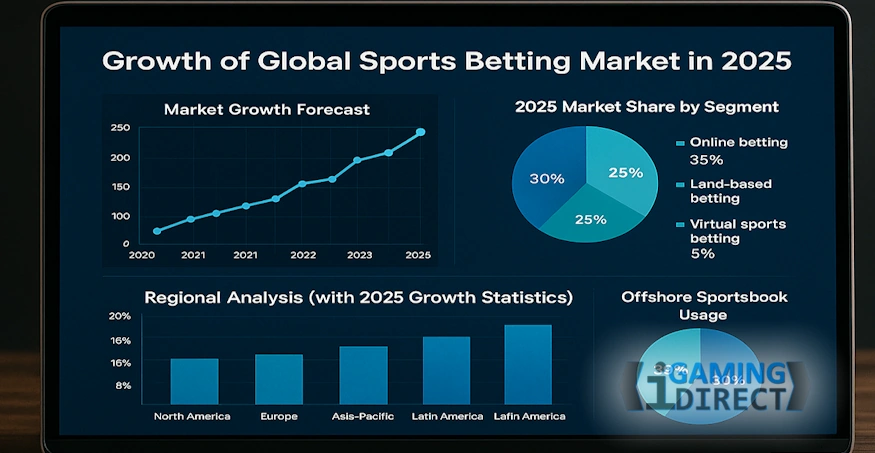
Market maturity, availability, regulation, and the timing of legalization can all influence a person’s exposure to legal sports betting. This broader market development is part of a larger shift in the sports betting industry, as explored in the 2025 Global Sports Betting Market Growth Report, which examines the factors driving growth across global sports betting markets.
California and Texas are particularly important examples of the fragmented U.S. market. As of 2026, neither state has established statewide legal mobile sports betting. Gen Z residents there therefore do not have the same regulated mobile betting environment available to young adults in states with established markets.
The result is a sports betting landscape in which geography can be nearly as important as age.
What Sportsbook Operators Should Avoid
The biggest mistake operators can make is treating Gen Z as a single behavioral category.
Several assumptions deserve closer scrutiny.
Treating Gen Z as Younger Millennials
Gen Z has entered adulthood in a different technological environment. Marketing strategies developed for older audiences may not automatically translate to younger customers.
Rather than simply adapting existing campaigns, operators should examine how younger customers actually discover, evaluate, and use sportsbook products.
Assuming Mobile Means Every Feature Should Be Added
A mobile-first customer does not necessarily want a more complicated app.
Additional features can create friction if navigation becomes crowded or difficult to understand. The goal should be a straightforward experience, not simply adding more functionality.
Assuming Everyone Wants Social Betting
Social features can appeal to some users while making others uncomfortable.
Sharing should be a choice. Privacy settings should be easy to find and understand, and customers should control what information is visible to other users.
Assuming One Bet Type Defines Gen Z
Parlays, player props, micro-bets, and live wagering may attract attention, but preferences can change as products, promotions, and sports interests evolve.
Operators should use current behavioral data to identify what different customer segments are actually doing.
Ignoring Differences Between States
A customer in an established legal market may have years of exposure to sportsbooks. Someone of the same age in a newly regulated market may be encountering these products for the first time.
A national Gen Z strategy therefore needs to account for local market maturity.
What Operators Can Learn From Gen Z
The broader lesson is not that every Gen Z bettor wants faster apps, more parlays, or more social features.
The more useful lesson is that sportsbooks need to understand individual behavior within a rapidly changing digital environment.
Five priorities stand out:
- Keep mobile experiences simple. Registration, deposits, odds research, and wager placement should be intuitive.
- Measure actual betting behavior. Track which markets different customer groups use instead of relying on assumptions about age.
- Give customers control over social features. Sharing and public activity should be optional.
- Account for market maturity. Strategies should reflect differences between established and newer legal betting states.
- Update assumptions regularly. Products, promotions, technology, and consumer preferences can change quickly.
This approach is more useful than attempting to define an entire generation with a handful of characteristics.
Frequently Asked Questions
What age range is Gen Z in 2026?
Gen Z generally refers to people born after Millennials and before Generation Alpha, although the exact birth years vary by source. For legal sports betting, the relevant group is Gen Z adults who meet the minimum betting age in their state.
Why might Gen Z bettors prefer mobile sportsbooks?
Many Gen Z adults reached legal betting age in an environment where smartphones were already central to everyday life. Mobile sportsbooks allow users to research odds, manage accounts, and place wagers without visiting a physical sportsbook.
Are same-game parlays popular with Gen Z?
Same-game parlays combine multiple outcomes from a single sporting event and offer more ways to engage with a game. They may appeal to some younger bettors, but preferences vary and should not be assumed solely from age.
Does social media influence Gen Z sports betting?
Social platforms can expose younger adults to betting discussions, player props, sportsbook promotions, creators, and friends’ recommendations. However, exposure does not necessarily translate into betting activity, and responsible gambling information can be inconsistent across social channels.
Do Gen Z bettors want to share their betting activity?
Not necessarily. Some younger bettors may enjoy social features, while others prefer to keep their betting activity private. Sportsbooks should provide clear privacy controls rather than assuming customers want public profiles or automatic sharing.
Does state legalization affect Gen Z betting behavior?
It can affect exposure and experience. Young adults in states with established legal markets have generally had more time to encounter regulated sportsbooks and different betting products than peers in states where legal mobile betting is newer or unavailable.
What Gen Z Means for Sports Betting
Gen Z is entering sports betting at a time when the industry is already highly digital. Smartphones, live betting, expanded wager types, social media, and mobile-first customer experiences are not new concepts to this generation. They are part of the environment in which many younger adults encounter sports wagering in the first place.
That makes Gen Z an important demographic for sportsbook operators, but it does not make the generation predictable.
The most useful strategy is to avoid broad assumptions. A 24-year-old bettor in an established legal market may have very different habits from a 24-year-old who has only recently gained access to regulated wagering. Likewise, two customers with similar demographics may have completely different preferences for parlays, live betting, social features, or privacy.
As the U.S. sports betting market continues to develop, the operators best positioned to understand Gen Z will be those that combine demographic insights with current behavioral data.
The question is not simply what Gen Z wants. It is what individual bettors are actually doing, how those behaviors change over time, and how sportsbooks can respond without sacrificing transparency, privacy, or responsible gambling.